Hakone · Kanagawa · Japan
Is Hakone worth visiting? The onsen town, the classic loop and when to go, in one page
Is Hakone worth visiting? The onsen town, the loop by train, ropeway and boat, Owakudani, Lake Ashi, when to go and how long to stay, with official data.
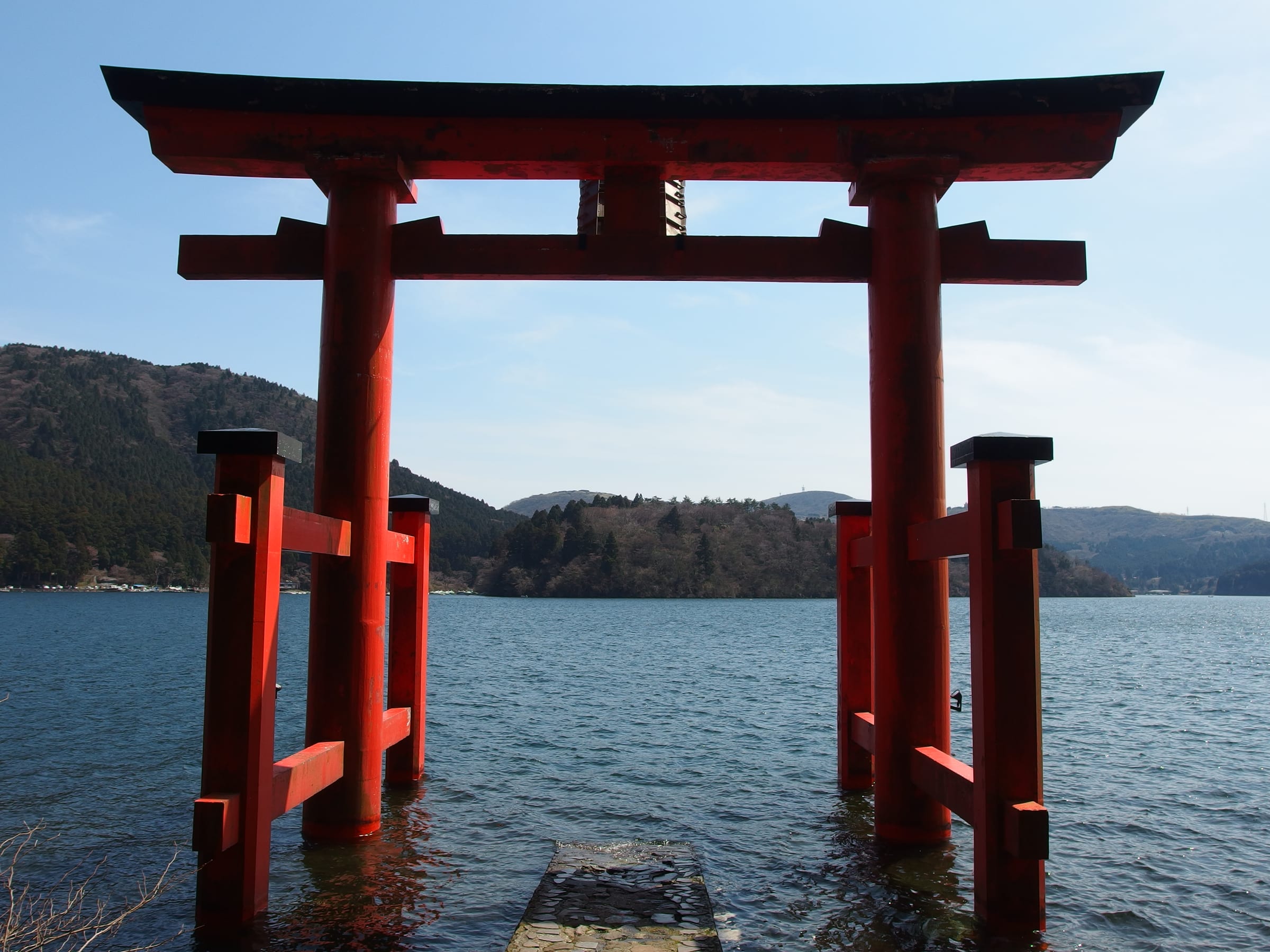
Is Hakone worth visiting? The town’s own count says 21,122,000 people decided yes in 2025, and 628,853 of its overnight guests came from abroad, 27.6% more than the year before. The honest answer is more specific: Hakone is worth it if you ride the loop (mountain train, cable car, ropeway over a steaming volcanic valley, a galleon across a caldera lake) and sleep one night in an onsen ryokan. It is less worth it as a rushed half-day from Tokyo in November, when the queues match the crowds. This page is the short version: what the loop is, what Owakudani and Lake Ashi are, when to go, how long to stay, and how to get in and around, with every number checked against the town, the operators and the Japan Meteorological Agency.
Hakone in one minute
Hakone is a town of 92.86 km² and about 11,000 residents in the far west of Kanagawa Prefecture, filling the caldera of the Hakone volcano. Its centre is Lake Ashi, which formed about 3,000 years ago when a collapse of Mount Kamiyama dammed the Hayakawa river; the same event left the steaming valley of Owakudani and the flat of Sengokuhara. The Hakone area has been part of Fuji-Hakone-Izu National Park since 17 December 1938. Seventeen hot-spring areas, the Hakone Jushichi-to, are scattered from Hakone-Yumoto at the bottom of the valley (said to date from the Tenpyo era, 721 to 748) up to Sengokuhara and the lake. Everything is joined by one chain of transport, which is why the Hakone Free Pass exists and why most visitors never need a car.
The classic loop, Hakone-Yumoto to Lake Ashi
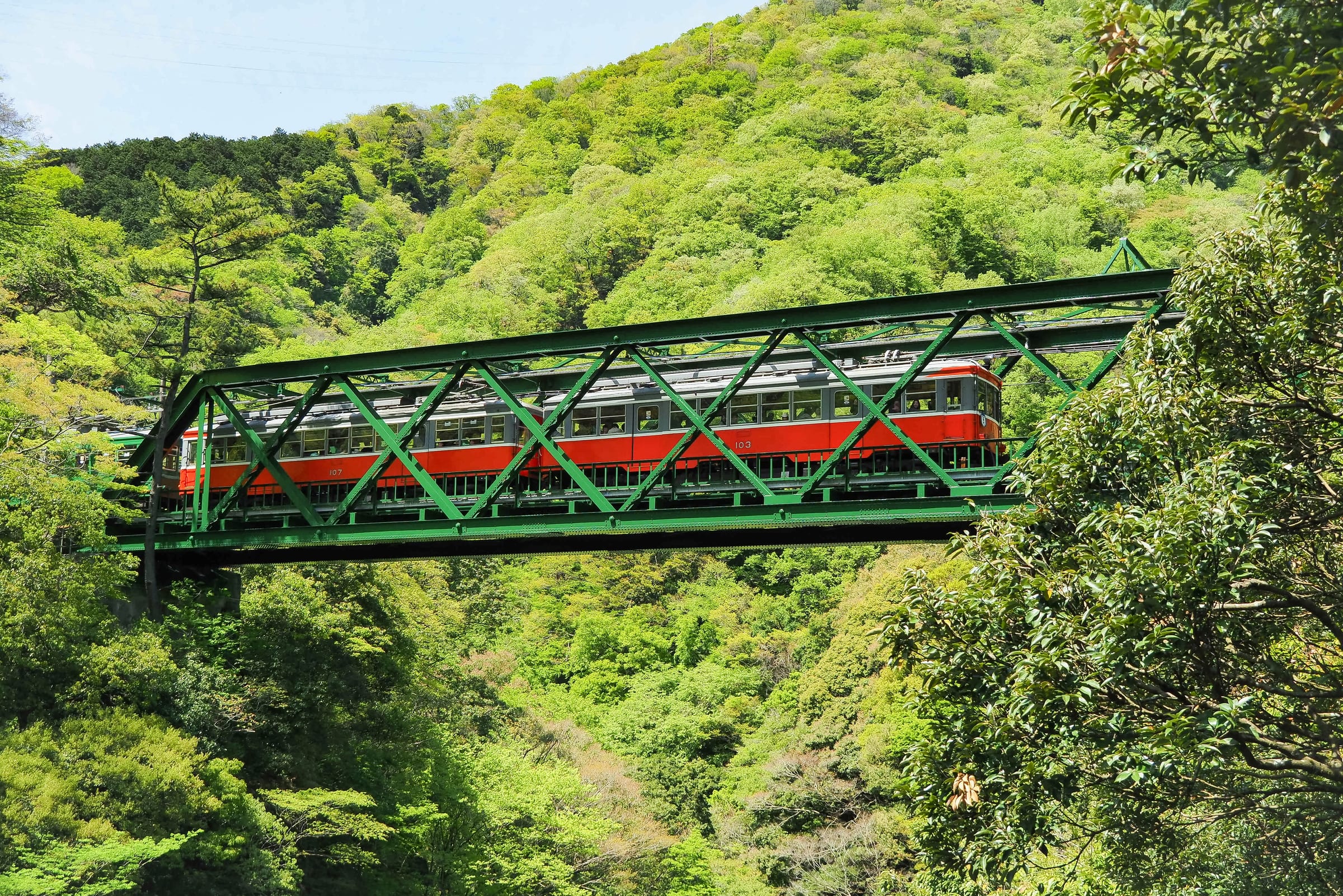
The loop is the reason Hakone works as a day. From Hakone-Yumoto Station, the Hakone Tozan Railway climbs 8.9 km to Gora in about 40 minutes, reversing at three switchbacks on Japan’s steepest adhesion line. The cable car (a funicular) takes ten minutes from Gora to Sounzan. The Hakone Ropeway then crosses Owakudani to Togendai on the north shore of Lake Ashi in about 30 minutes, and the Hakone Sightseeing Cruise’s galleon-styled ships sail to Moto-Hakone or Hakone-machi on the south shore in 25 to 40 minutes. A Hakone Tozan bus brings you back to Hakone-Yumoto. Done clockwise, it takes five to six hours with a stop at Owakudani and lunch at the lake. Single fares for the ride come to ¥5,800; the 2-day Hakone Free Pass is ¥6,000 from Odawara or ¥7,100 from Shinjuku, and our getting-around page does the sums for the three trips people really make.
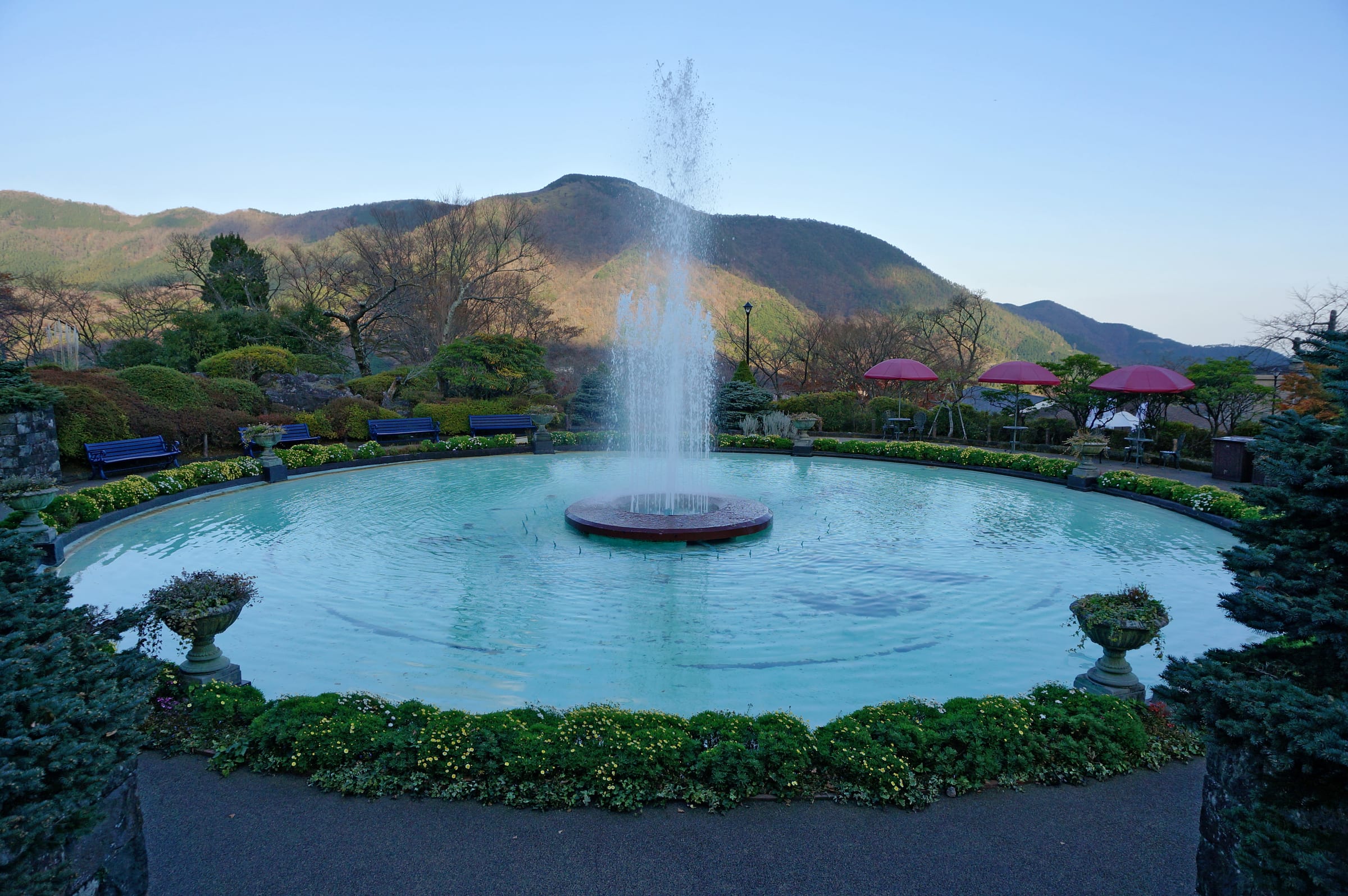
On the way up, two stops are worth getting off for. Gora Park, opened by the railway in 1914, is Japan’s first French-style formal garden, laid out symmetrically around a fountain on a slope rather than on the flat; its tea house, fountain pond, gate and stone walls are nationally registered monuments. The Hakone Open-Air Museum, one stop below Gora at Chokoku-no-Mori, opened in 1969 as Japan’s first open-air museum and shows about 120 sculptures across a 70,000 m² hillside site, 9:00 to 17:00.
Owakudani and the volcano
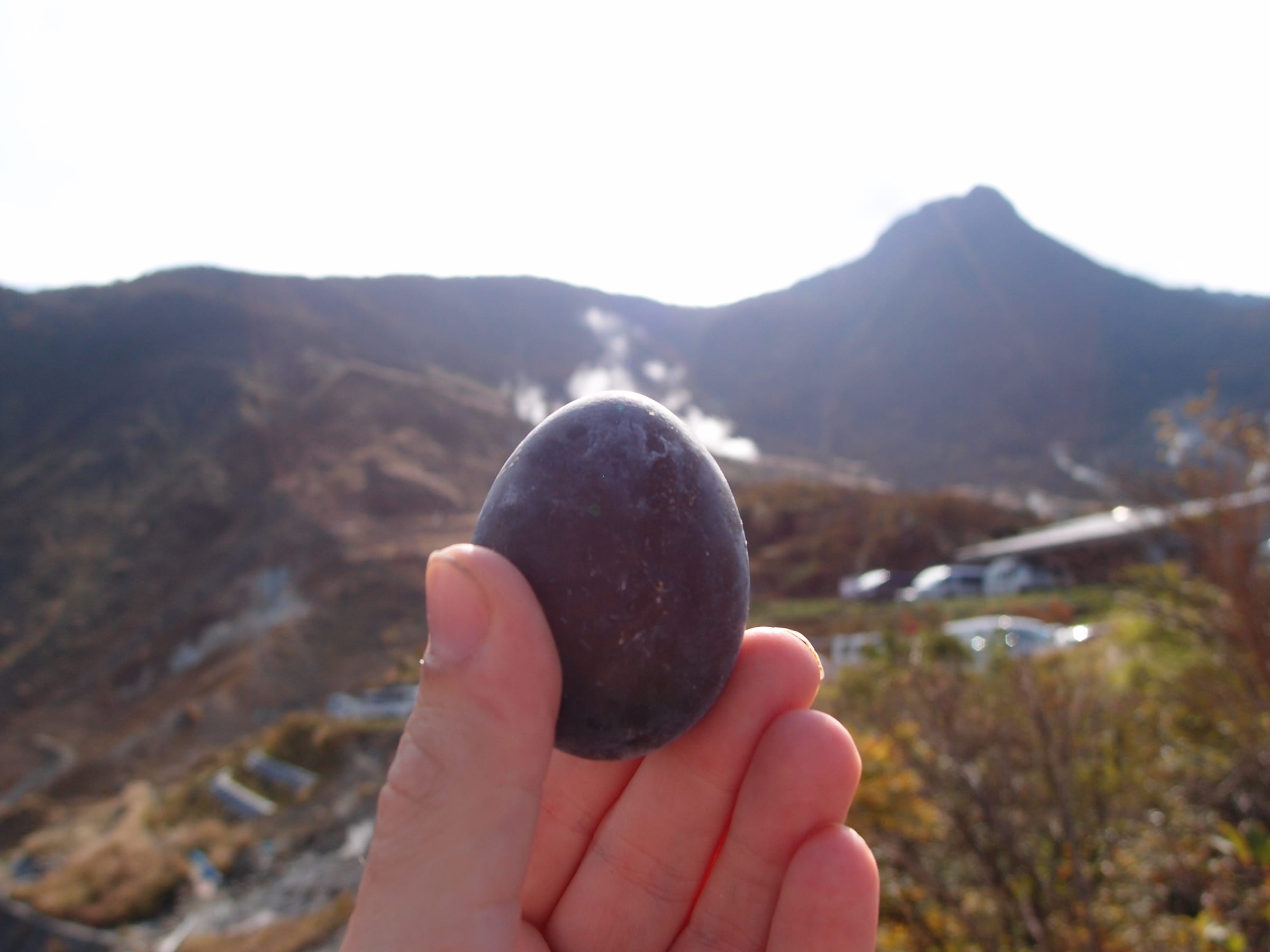
Owakudani is the valley the ropeway crosses: sulphurous steam, bare yellow-white slopes and the kuro-tamago, eggs boiled black in the hot springs. It is the scar of a phreatic explosion and landslide about 3,000 years ago, and it is still active. The Japan Meteorological Agency’s monthly report for September 2026 keeps Hakoneyama at alert level 1 (the lowest, “be aware that this is an active volcano”), notes vigorous fumarolic activity at Owakudani with steam up to 400 m, and reports low seismicity and no change to the forecast; the next report is due 10 November 2026. On the ground, the shops open 9:00 to 16:30 and black eggs sell 9:00 to 16:40 (they sell out), while the nature trail into the fumarole field runs on guided entry with a reservation. Two things to plan around: the operator bars visitors with asthma, respiratory or heart conditions from riding to Owakudani, and the ropeway closes in sections for maintenance from 7 to 24 December 2026 (Owakudani to Sounzan) and 12 January to 26 February 2027 (Togendai to Owakudani), with replacement buses. Details on both are on the getting-around page; the eggs are on must-eat.
Lake Ashi, Hakone Shrine and the old Tokaido checkpoint
Lake Ashi (Ashinoko) is the caldera lake at the heart of the loop, with the galleons crossing from Togendai in the north to the two old post towns of the Tokaido highway on the south shore, Moto-Hakone and Hakone-machi.
Hakone Shrine stands in cedar forest above Moto-Hakone. It was founded in 757 by the ascetic priest Mangan, and its vermilion Peace Torii, the one in the water that every photograph of Hakone shows, was built by the lakeside in 1952 to mark the Treaty of San Francisco. The queue for a photo under it is long by mid-morning; the shrine itself is quieter.
A short walk south along the shore, the Hakone Checkpoint (Hakone Sekisho) is a full reconstruction of the Tokaido inspection station set up in 1619, rebuilt from a late-Edo repair ledger that was rediscovered. It opens 9:00 to 17:00 (to 16:30 from December to February, last entry 30 minutes before), adults ¥500, or ¥400 with the Free Pass. The Hakone Ekiden, the New Year university relay from Tokyo, finishes its first day beside this shore on 2 January and starts the second from the same spot on 3 January; the 103rd race runs 2 and 3 January 2027, and our events calendar carries the road closures.
The onsen towns: Yumoto, Miyanoshita, Gora, Sengokuhara
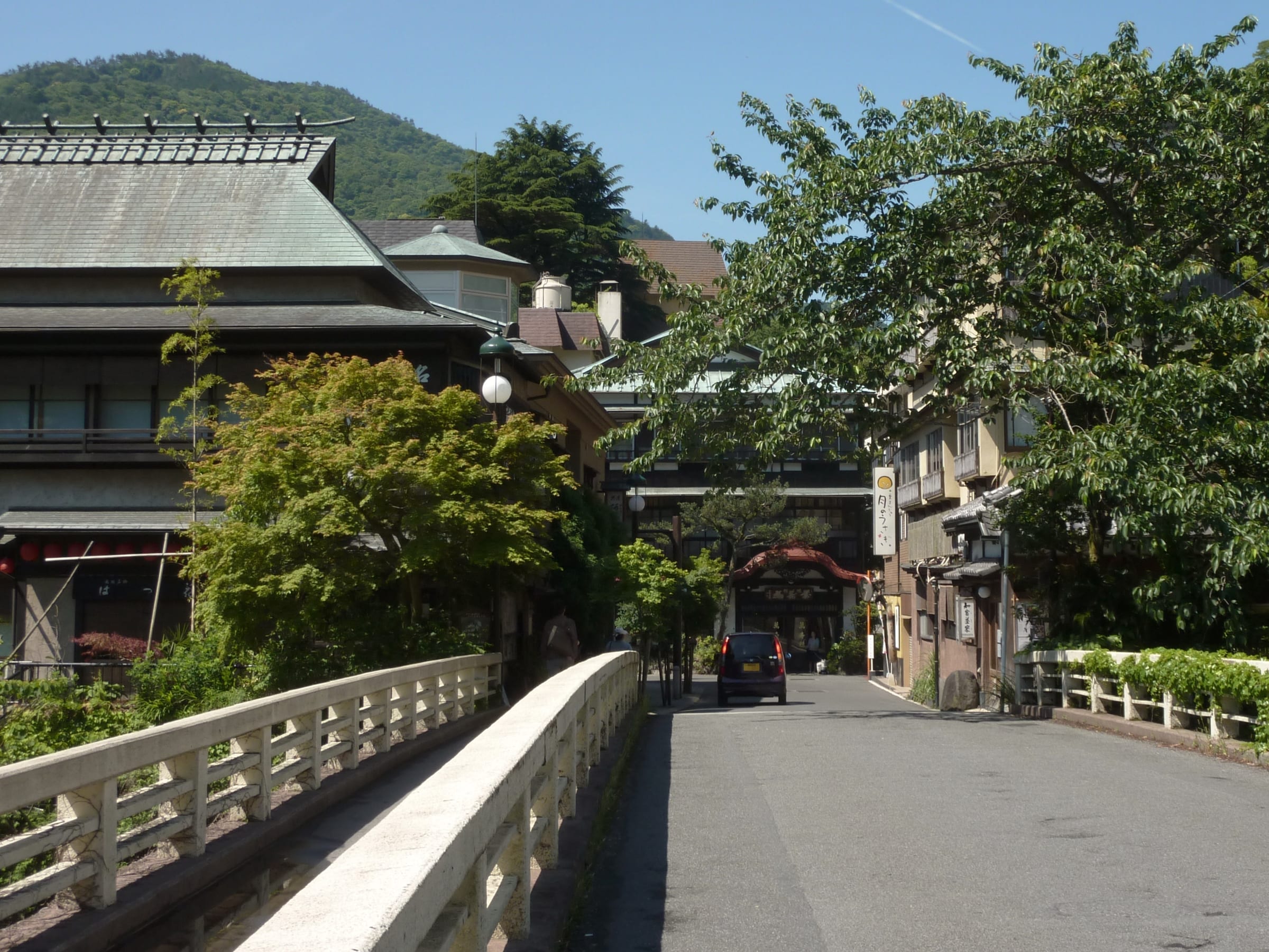
The 17 springs run in a line up the valley. Hakone-Yumoto is the gateway and the oldest: the station, the carry service for your bags, the street-food strip and most of the day-use baths. Tonosawa and Miyanoshita are the quiet gorge stops on the Tozan line, Miyanoshita with the Meiji-era resort hotels. Gora is the mountain base at the top of the railway, halfway round the loop before breakfast, with the garden, the museum and the high-end ryokan. Sengokuhara is the plateau to the north, museums and inns around the pampas-grass field, served by bus. Lake Ashi (Moto-Hakone, Hakone-machi, Togendai) is for lake views and the shrine. Our stay hub sorts the ryokan by area and explains per-person pricing with dinner and breakfast; the relax hub covers the day-use baths and private onsen for people who are not staying over.
When to go
We print no temperatures here; the pattern below comes from the town’s 2025 visitor report, the Hakone Tourist Association and the railway.
- Spring (March to May). Cherry blossom brings the first wave from abroad: April is the top month for foreign overnight guests (77,691 in 2025). Golden Week in early May is a domestic peak.
- Rainy season and summer (June to August). Hydrangeas line the Tozan line from mid-June, when the railway calls itself the “hydrangea train”. The Lake Ashi Summer Festival Week opens with the lake rite on 31 July every year and runs fireworks for six nights; the Gora Daimonji-yaki bonfire is 16 August. August was the second-busiest month of 2025 (1,969,632 visitors).
- Autumn (September to November). Sengokuhara’s pampas grass turns gold from late September to late October, then the leaves. November is the busiest month of the year, every year: 2,237,496 visitors in 2025, with foreign guests from Europe, North America and Australia at their autumn peak. Book rooms early.
- Winter (December to February). The quiet season, with the ropeway’s maintenance closures (above) and snow at altitude: Kanagawa runs its winter-road operation on the Hakone roads from 1 December to 31 March, and the town’s report notes that February 2025 was unusual in escaping the usual snow disruption. The Ekiden fills the lakeside on 2 and 3 January, and hatsumode at Hakone Shrine fills Moto-Hakone.
Each year’s festival dates are on the events page.
How long to stay
One long day is enough for the loop if you start from Odawara or Hakone-Yumoto by nine and buy the Free Pass. One night in a ryokan changes the trip: you ride the ropeway at opening before the coaches arrive, you eat a kaiseki dinner that is the point of the evening, and you have the baths at dawn. Two nights add Sengokuhara’s museums, the Open-Air Museum at an easy pace and a day-use bath in a different spring. Day trips beyond the town (Odawara’s castle, the Gotemba outlets, Atami, Kamakura) come after that. Our itineraries lay each of these out stop by stop, and the tours hub lists the guided and private days that start in Tokyo or in Hakone.
Getting there and around
Hakone has no airport and no Shinkansen station of its own. From Shinjuku, the Odakyu Romancecar reaches Hakone-Yumoto in about 80 minutes for ¥2,470, all seats reserved. From Tokyo Station, the Tokaido Shinkansen to Odawara and the Tozan line to Hakone-Yumoto take about an hour for ¥3,640. Highway buses from Shinjuku, Haneda and Yokohama run straight to Sengokuhara and Togendai. Every route from each Japanese airport, with fares and the rail passes that cover them, is on the getting-here page. Inside the town, the Free Pass joins the whole loop; the fares without it, taxis, car rental for the mountain roads and the winter closures are on the getting-around page. Send big cases ahead with the carry service on the luggage page, and sort out mobile data on the eSIM page before you leave Tokyo: signal drops in the gorge and on the lake.
Where to stay, eat, relax and shop
Stay. This is the decision that makes or breaks Hakone. An onsen ryokan in Gora, Miyanoshita or Sengokuhara, priced per person with dinner and breakfast, is the high-ticket item and the one most worth paying for; a hotel in Hakone-Yumoto is the practical base for a day on the loop. The stay hub explains the areas; for a live search, see Hakone on Agoda or Hakone on Booking.com.
Pass. Buy the Hakone Free Pass before you leave Tokyo if you arrive on Odakyu trains, or at Odawara if you come by Shinkansen; in advance from Klook or KKday (check today’s price; some listings still show the pre-October-2025 figures).
Eat. Black eggs at Owakudani, soba and yuba in Hakone-Yumoto, and the street-food strip by the station: the must-eat hub names the places with hours and a map pin.
Relax. Day-use baths and private onsen you can book by the hour are on the relax hub.
Shop. Yosegi-zaiku marquetry, Hakone’s wood-mosaic craft, is the thing to carry home; the shop hub explains how to tell handmade from printed.
Sources
Checked on 4 November 2026 unless noted.
- Hakone Town, 令和7年入込観光客総評 (2025 visitor totals, monthly figures, foreign overnight guests, busiest months, snow and seasonal notes): town.hakone.kanagawa.jp (PDF)
- Kanagawa Prefecture, Odawara Health and Welfare Office area overview (Hakone’s area 92.86 km² and population 10,965 at 1 October 2023): pref.kanagawa.jp (PDF)
- Ministry of the Environment, Fuji-Hakone-Izu National Park (Hakone area added 17 December 1938, 11,166 ha): env.go.jp
- Hakone Geopark, Lake Ashi formed by the collapse of Mount Kamiyama about 3,000 years ago damming the Hayakawa: hakone-geopark.jp; Owakudani, the explosion and landslide about 3,000 years ago, shop and egg hours, guided trail entry: owakudani.com
- Japan Meteorological Agency, Hakoneyama monthly report, September 2026 (alert level 1, steam to 400 m, next report 10 November 2026): data.jma.go.jp (PDF)
- Odakyu, the Romancecar (about 80 minutes, all seats reserved, ¥1,200 surcharge): odakyu-global.com; Hakone Navi, Tokyo to Hakone fares and times (¥2,470 from Shinjuku; Shinkansen route ¥3,640, about 60 minutes): hakonenavi.jp; the Tozan line and the hydrangeas from mid-June: hakonenavi.jp; Gora Park (1914, Japan’s first French-style formal garden, registered monuments): hakonenavi.jp; the 17 hot-spring areas and Yumoto’s Tenpyo-era origin: hakonenavi.jp; fares, the Free Pass, the loop timing and the ropeway closures as checked on our getting-around page
- Hakone Tourist Association, Sengokuhara pampas grass (gold from late September to late October): hakone.or.jp
- Hakone Shrine (address; the 31 July rite at the Peace Torii): hakonejinja.or.jp; Japan Tourism Agency multilingual database, Hakone Shrine (founded 757 by Mangan; Peace Torii 1952): mlit.go.jp
- Hakone Checkpoint (1619, reconstruction, hours, ¥500): hakonesekisyo.jp
- Hakone Open-Air Museum (about 120 works, 70,000 m², 9:00 to 17:00): hakone-oam.or.jp; founded 1969: hakone-oam.or.jp; “Japan’s first open-air museum” and coordinates: Wikipedia (en)
- Kanto Student Athletics Federation, the 103rd Hakone Ekiden (2 and 3 January 2027, finish at the Lake Ashi car park entrance): kgrr.org; broadcast times by day: hakone-ekiden.jp
- Lake Ashi Summer Festival Week (the 31 July rite) and the Gora Daimonji-yaki (16 August) as cited in our events research; Kanagawa Prefecture winter-road operation (1 December to 31 March): pref.kanagawa.jp
- Map coordinates: English and Japanese Wikipedia infoboxes for Owakudani, Hakone Shrine, Lake Ashi, the Checkpoint and Hakone-Yumoto Station; OpenStreetMap for Gora Park.
Plan your trip
Everything you need before and during your stay.
Plan
- Getting hereGetting to Hakone from abroad and from Japan's airports, by train, highway bus and with rail passes: times, prices and booking links.
- Getting aroundHakone's trains, cable car, ropeway, lake boats, buses, taxis and car rental: prices, timetables, passes and where to board.
- LuggageCoin lockers, staffed storage and luggage forwarding to and from Hakone: sizes, prices, hours and cut-off times.
- eSIMMobile data for your Hakone trip: our sister site Kyushu Travels has a full guide to choosing and installing an eSIM for Japan.
Explore
- ToursBookable tours in and around Hakone, grouped by where they start: what each includes, who it suits and how to book.
- ItinerariesDo-it-yourself plans for Hakone and day trips from it, exclusive routes first, then by trip length.
- EventsFestivals and events in Hakone by month, each with dates, venue and a full guide.
- RelaxHot springs, day-use baths and spas in Hakone, with prices, hours and etiquette.
- ShopLocal shops with handmade goods and gift ideas: what to buy, prices and opening hours.
Eat
Stay
Latest guides
All guidesArticles coming soon.